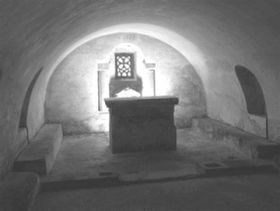
SAN LORENZO DE CORTINA
 (Ninguna valoración todavía)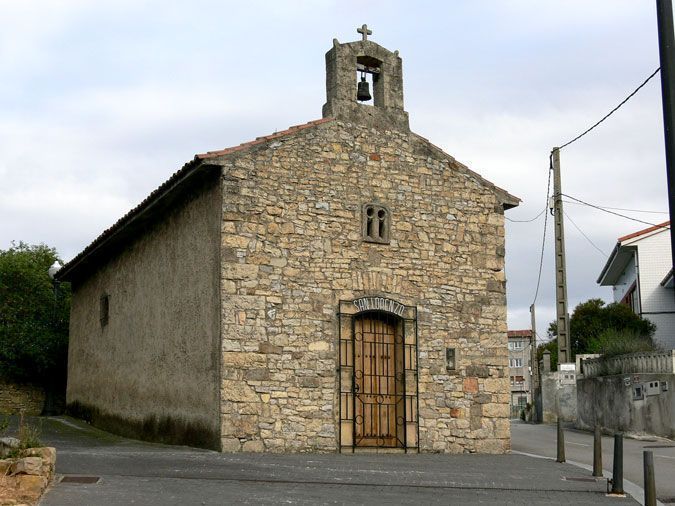
Thanks:
A Cristina Sánchez, colaboradora del blog Pre-románico: cántabro-astur, que nos ha proporcionado la información y las fotografías que se utilizan es esta ficha.
Historic environment
Pequeños detalles como una ventana altomedieval, en una sencilla ermita de época posterior, transforman una calle o plaza sin mayor relevancia estética, en un lugar entrañable a la vez que hermoso.
Existen numerosos ejemplos en los que afortunadamente la desaparición o sucesivas transformaciones de los templos, a través de los siglos, han respetado alguno de los más longevos testigos de su historia, y que ha sobrevivido gracias a que algún sabio antepasado valoró en su justa medida la emoción que producen las piedras talladas más antiguas. Una bella ventana que en su día iluminaba una iglesia rural, nos traslada a un lejano tiempo en que el omnipresente y sombrío manto de hormigón, acero y cristal aún demoraría en devorar la casi totalidad del paisaje urbano.
El Liber Testamentorum, códice elaborado durante el primer tercio del siglo XII, que se guarda en la Catedral de Oviedo, fue un encargo del obispo Pelayo con el fin de recopilar documentos de la Diócesis de Oviedo. Por la extraordinaria calidad de sus miniaturas se trata de una de las joyas del Románico español. Es en este cartulario donde se hace mención por primera vez al pueblo medieval de Avilés.
Se conoce la existencia en Avilés de dos iglesias dedicadas a San Juan Bautista y Santa María en esta época. Llaranes se menciona en el testamento de Osorio, Pelayo y Elvira Froilaz, en que donan a San Salvador de Oviedo en 1086 diversas posesiones, entre ellas: la villa de Leranes en el territorio de Gauzón. Esta villa de Llaranes habría de contar con una iglesia del siglo X-XI de la que procedería posiblemente esta ventana. San Lorenzo, el santo titular de la capilla, mártir durante la persecución de Valeriano en el siglo III, contó con una destacada devoción en el Reino de Asturias.
Description
 Una ventana geminada adorna la fachada oeste de la capilla actual. Es un bloque de piedra caliza rectangular con las esquinas superiores redondeadas, dos vanos y ancho parteluz cuadrangular. La jamba derecha es ligeramente cóncava. Los vanos coronan en dos anillos de contorno sogueado. En Asturias, Santiago de Sariego conserva una ventana con cierta similitud, así como varias ventanas vizcaínas en las que destacan los círculos superiores, es el caso de Amatza, Arta, Bermejillo, Isla, Urrielu, Zaraldoa, y también en Cantabria, San Andrés de Liébana.
Aunque de origen prerrománico, la construcción actual data del siglo XVII. En 1601 pierde la categoría de parroquia al quedar anexionada a San Nicolás de Bari. La espadaña fue añadida en los años 50 del siglo pasado, así como la campana. En la restauración realizada en estos años se cargan de cemento las paredes norte y este, por lo que algún vestigio remanente de ventanas similares a la del testero ha podido quedar oculto.
En 2006 el trabajador encargado de pintar paredes y techo descubrió pinturas geométricas de color ocre imitando sillares distribuídas por una amplia zona de la capilla. No se conserva pila bautismal ni el cementerio que sin duda existió en las inmediaciones según atestiguan las excavaciones arqueológicas. La fachada está construída en sillarejo con esquinas rematadas a soga y tizón. Sobre la puerta de entrada se disponen sillares en vertical en lo que parece la estructura de un arco de descarga.
Bibliography
Arte Prerrománico en Asturias. César García de Castro
Valdés. Ménsula Ediciones.
Portals
Phase: Asturian Preromanesque
Style:
Period: 10th Century
State of conservation: Partial
Situation: Barrio de Llaranes, Avilés (Asturias)

Accommodation close friends
Alojamientos Amigos próximos
APARTAMENTOS ANTOJANES
LA CASONA DE PRIORIO
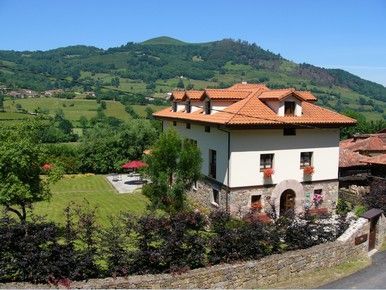
HOTEL RURAL CASA DE LA VEIGA
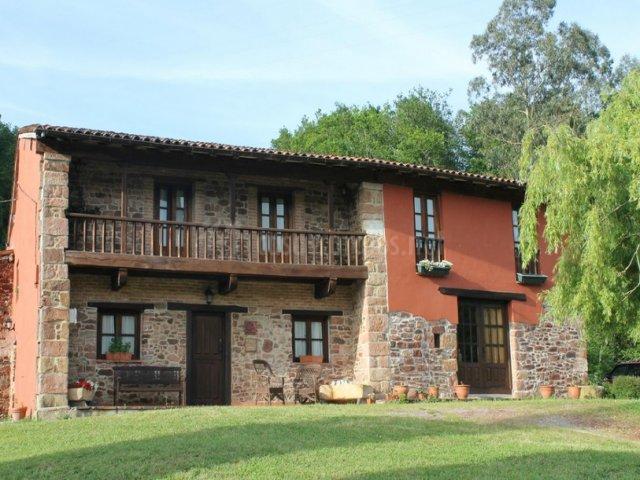
QUINTA VILLAVERDE
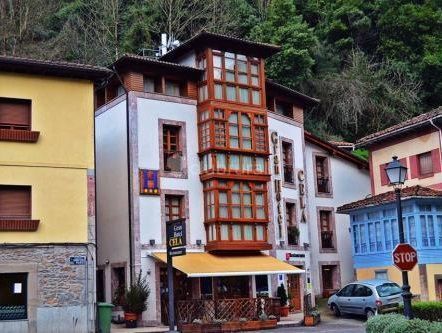
GRAN HOTEL CELA
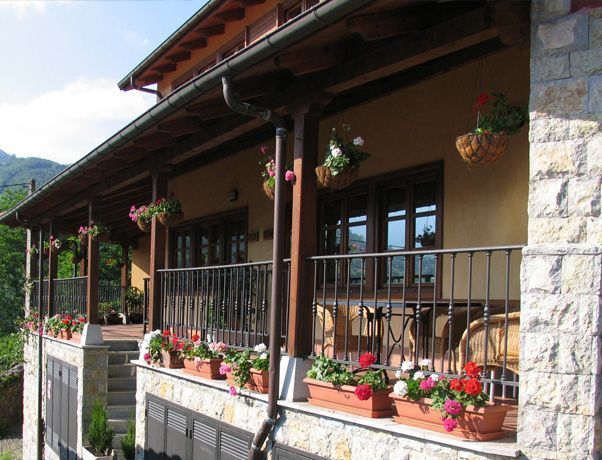
SAN FELIZ
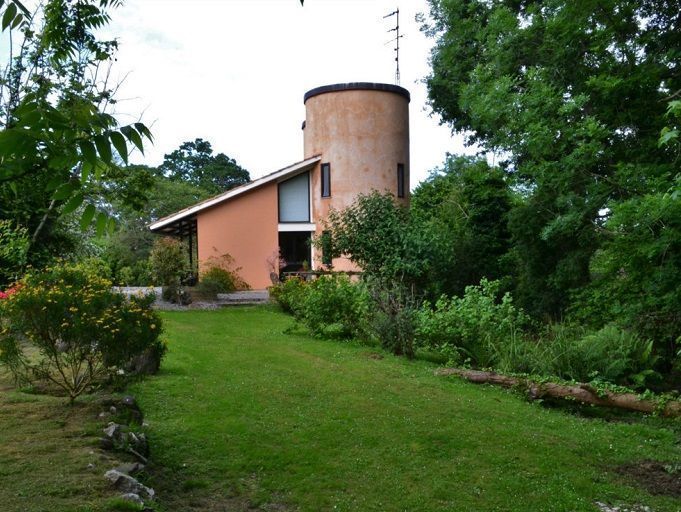
EL CORRENTIU
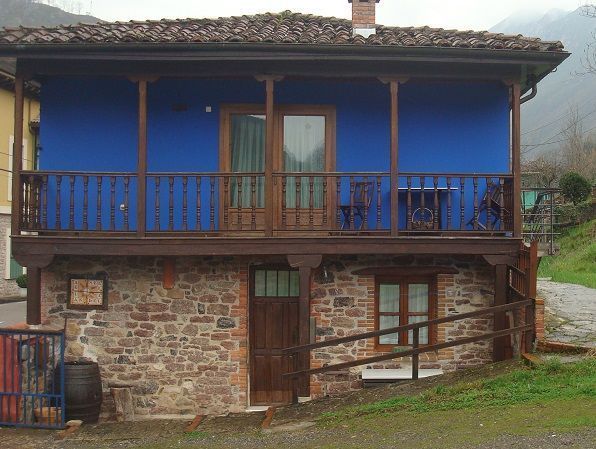
AGUAS DEL SELLA

LA CASONA DE CON
Gallery
Other monuments of interest

CASTILLO DE GAUZÓN (R)

SANTIAGO DE ARLÓS (LLANERA)

VILLA ROMANA DE VERANES

SANTIANES DE PRAVIA
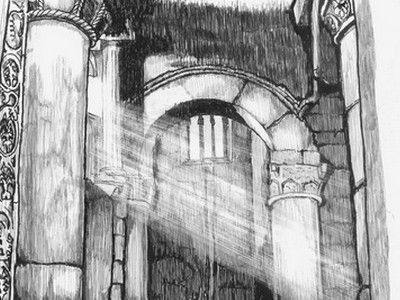
SAN MIGUEL DE LILLO
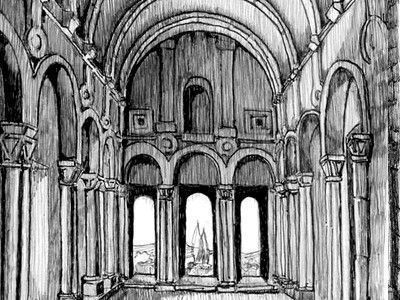
SANTA MARIA DEL NARANCO

SAN PEDRO DE NORA
SAN JULIÁN DE LOS PRADOS
FUENTE DE LA FONCALADA